Debt has become a part of everyday life for many people. From credit card bills to personal loans and home EMIs, managing multiple payments can feel overwhelming. If debt is not handled properly, it can easily grow out of control, leading to financial stress and affecting long-term goals. The good news is that with the right debt management strategies, you can take charge of your finances and move toward financial freedom. Let’s explore some practical and effective ways to manage debt smartly.
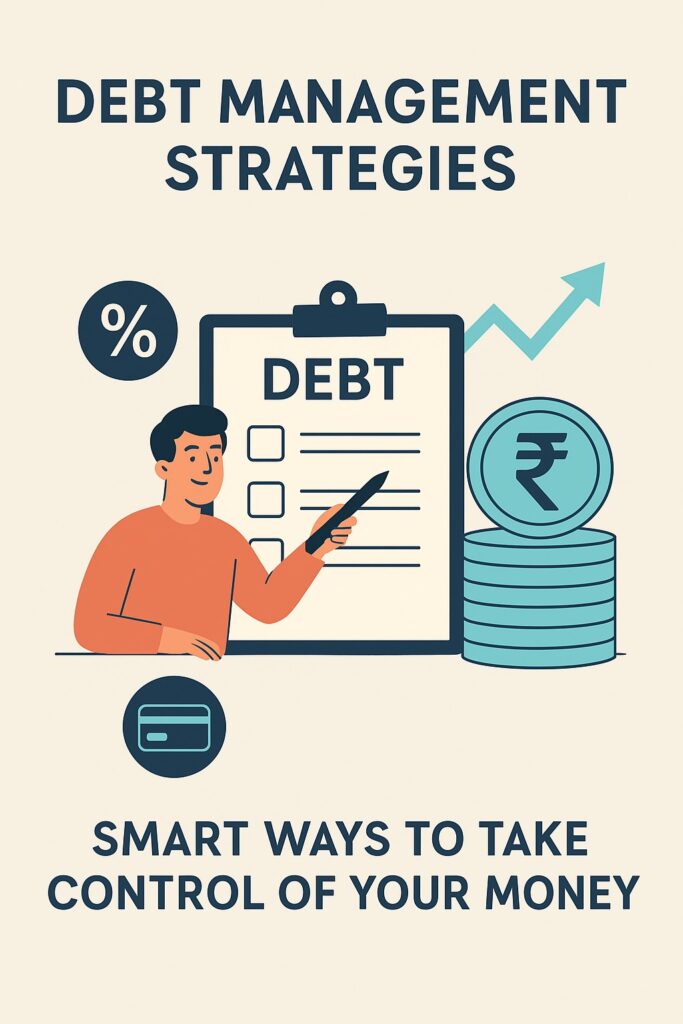
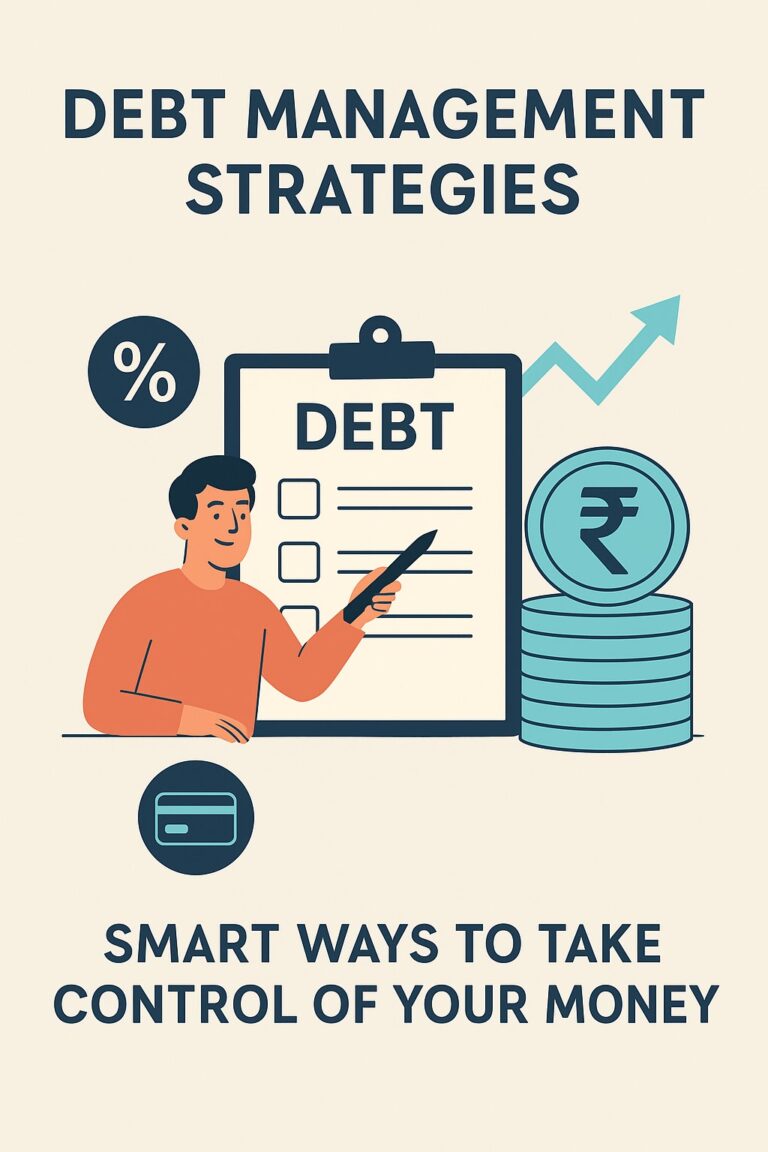
The first step in managing debt is awareness. List out all your debts—credit card balances, personal loans, car loans, home loans, and EMIs. Next, note down the outstanding balance, interest rate, and due date for each. Having this information in one place gives you a clear picture of your total liability. Many people underestimate how much they owe, and this simple exercise can be a real eye-opener. Once you know where you stand, you can create a repayment strategy.
Focus on High-Interest Debt First (Avalanche Method)
Not all debt is equal. Some loans, such as credit cards, carry extremely high interest rates. If you only pay the minimum balance, the interest keeps compounding, making it harder to get out of debt. The avalanche method suggests paying off the debt with the highest interest rate first while making minimum payments on others. Once the highest interest loan is cleared, you move on to the next. This strategy minimizes the total interest you pay and helps you become debt-free faster.e
Build Momentum with the Snowball Method
f you need quick motivation, the snowball method might work better. In this approach, you start by paying off the smallest debt first while maintaining minimum payments on bigger loans. Each time you clear a small debt, you feel a sense of achievement, which motivates you to tackle the next one. Although this method may not save as much on interest as the avalanche method, it works well for those who need psychological wins to stay committed.
Consider Debt Consolidation
If you have multiple debts with different interest rates, consolidating them into one loan can simplify repayment. Debt consolidation allows you to combine all your loans into a single monthly payment, ideally with a lower interest rate. For example, taking a personal loan to pay off credit card balances can save you from high credit card interest charges. However, before opting for consolidation, make sure the new loan terms are favorable.
Negotiate with Lenders
Many people don’t realize that lenders are often open to negotiation, especially if you have a good repayment history. You can request a lower interest rate, a longer repayment period, or even waive off penalties on late payments. Sometimes, banks also offer restructuring schemes for struggling borrowers. A polite conversation with your lender can go a long way in making debt repayment more manageable.
Reduce Unnecessary Expenses
One of the most effective ways to free up money for debt repayment is by cutting unnecessary spending. Review your monthly expenses carefully and identify areas where you can save. Cancel unused subscriptions, cook at home instead of eating out, and avoid impulse purchases. Even small savings, when consistently redirected toward debt repayment, can make a big difference in the long run.
Build an Emergency Fund
It may sound counterintuitive to save money while paying off debt, but an emergency fund is crucial. Without it, unexpected expenses like medical bills or car repairs may force you to take on new debt. Start with a small emergency fund of ₹10,000–₹20,000. This buffer protects you from financial shocks and keeps your repayment plan on track.
Avoid Taking on New Debt
Managing debt is not just about repayment—it’s also about avoiding new debt. Try to live within your means and use credit cards only if you can pay the full balance every month. Avoid unnecessary loans and practice delayed gratification. Remember, every new loan slows down your journey to financial freedom.
Explore Ways to Increase Your Income
While cutting expenses helps, increasing your income can speed up debt repayment even more. Consider freelancing, starting a side hustle, or selling items you no longer use. Upskilling and applying for better-paying jobs is another way to improve your financial situation. The extra income can be directed entirely toward clearing debt faster.
Seek Professional Guidance if Needed
If your debt feels unmanageable despite your best efforts, don’t hesitate to seek help. Financial advisors or credit counselors can provide personalized strategies, negotiate with lenders on your behalf, and help you create a structured repayment plan. Sometimes, professional advice can save you time, money, and stress.
Final Thoughts
Debt management requires discipline, patience, and a clear plan. Whether you choose the avalanche method, snowball method, or a combination of both, the key is consistency. By understanding your debt, prioritizing repayments, cutting unnecessary expenses, and avoiding new loans, you can steadily move toward a debt-free life. Remember, financial freedom is not about how much you earn, but how wisely you manage what you owe. Start today, and your future self will thank you.