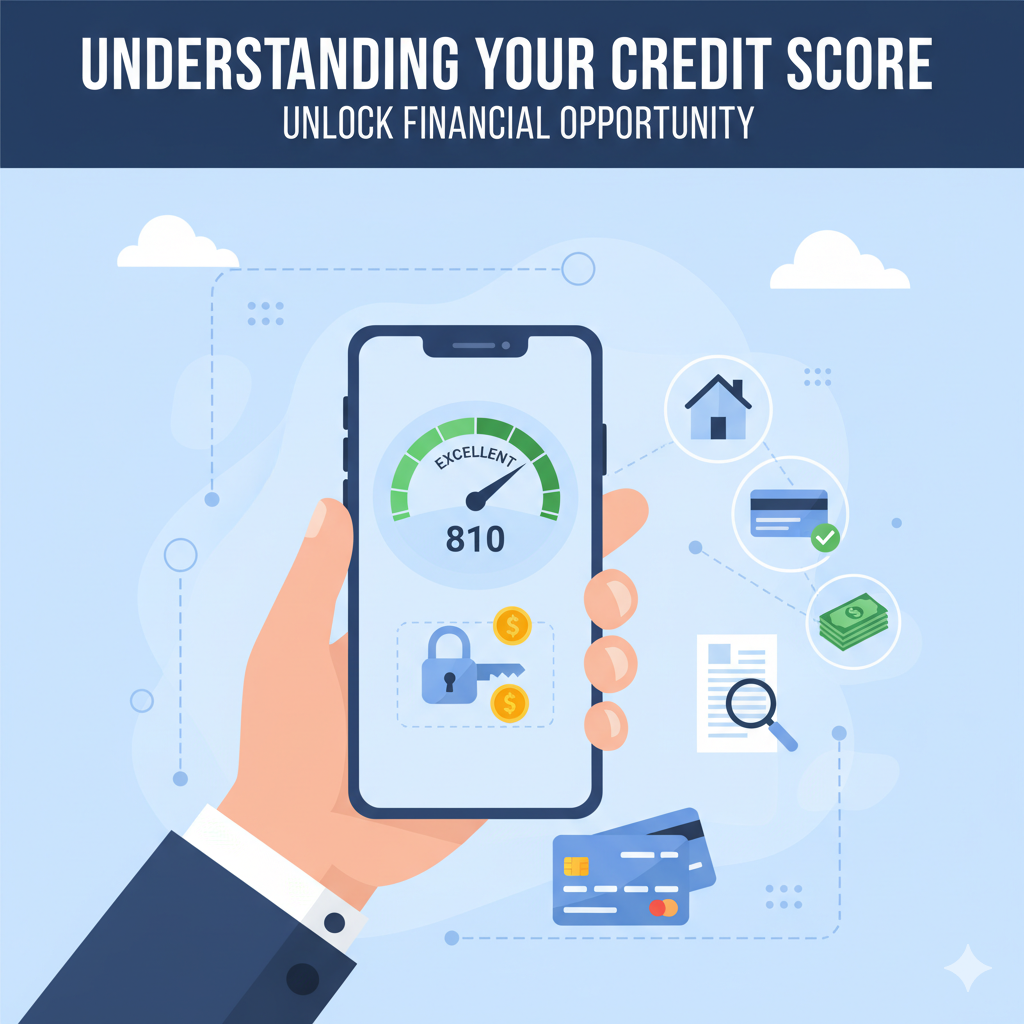

In today’s financial landscape, your credit score is more than just a number – it’s a powerful tool that can open doors to various financial opportunities, from buying a home to securing a low-interest loan. But what exactly is a credit score, and why is it so important? This comprehensive guide will break down the essentials of credit scores, how they’re calculated, and how you can manage yours effectively.
Table of Contents
ToggleWhat is a Credit Score and Why Does it Matter?
At its core, a credit score is a three-digit number that represents your creditworthiness. Lenders use it to assess the risk of lending you money. A higher score indicates a lower risk, making you a more attractive borrower. These scores are primarily generated by three major credit bureaus in the U.S.: Experian, Equifax, and TransUnion.
Your credit score influences a wide range of financial aspects:
- Loan Approvals: Whether you get approved for mortgages, car loans, or personal loans.
- Interest Rates: A good score can qualify you for lower interest rates, saving you thousands over the life of a loan.
- Credit Card Limits: Higher scores often lead to higher credit limits and better rewards programs.
- Rental Applications: Landlords frequently check credit scores to gauge a tenant’s financial responsibility.
- Insurance Premiums: In some cases, your credit score can even affect your insurance rates.
- Utility Services: New utility accounts may require a deposit if your credit score is low.
How Your Credit Score is Calculated (The Key Factors)
While the exact algorithms used by credit bureaus are proprietary, the FICO Score (the most widely used credit scoring model) provides a clear breakdown of the factors that contribute to your score. Understanding these components is crucial for improving your credit health.
Payment History (35%)
This factor looks at how much credit you’re using compared to your total available credit. This is often referred to as your “credit utilization ratio.” Keeping this ratio low (ideally below 30%) is beneficial. For example, if you have a credit card with a $10,000 limit, try to keep your balance below $3,000.
Length of Credit History (15%)
The longer your credit accounts have been open and in good standing, the better. This demonstrates a history of responsible credit management. Avoid closing old, unused credit accounts, as this can shorten your average account age.
New Credit (10%)
Opening multiple new credit accounts in a short period can be seen as risky by lenders and may temporarily lower your score. Each “hard inquiry” (when a lender pulls your credit report for a loan application) can slightly ding your score.
Credit Mix (10%)
Having a healthy mix of different types of credit (e.g., installment loans like mortgages or car loans, and revolving credit like credit cards) can positively impact your score. It shows you can responsibly manage various forms of debt.
Tips for Improving and Maintaining a Healthy Credit Score
1. Pay Your Bills On Time
Aim to keep your credit card balances well below 30% of your available credit. If possible, pay off your full balance each month.
2.Don't Close Old Accounts (Unless Necessary)
Older accounts contribute positively to your length of credit history. Suppose you have an old credit card you no longer use. In that case, it’s often better to keep it open with a zero balance than to close it, as long as it doesn’t tempt you to overspend. Having older accounts can positively impact your credit history. If you have an old credit card that you no longer use, it’s generally better to keep it open with a zero balance rather than closing it, as long as it doesn’t encourage you to overspend.nd.
3.Review Your Credit Report Regularly
You’re entitled to a free copy of your credit report from each of the three major bureaus once a year through AnnualCreditReport.com. Check for errors or fraudulent activity and dispute any inaccuracies immediately.
4.Be Mindful of New Credit Applications
Apply for new credit only when absolutely necessary. Each hard inquiry can slightly lower your score, and opening too many new accounts too quickly can signal higher risk.
5.Diversify Your Credit Mix (Over Time)
As you establish credit, having a mix of different types of credit can be beneficial, but don’t open accounts just for the sake of it. Let it happen naturally as your financial needs evolve (e.g., getting a car loan, then a mortgage).
Understanding your credit score is a fundamental step toward achieving financial stability and unlocking better opportunities. By practicing responsible credit habits and regularly monitoring your report, you can build a strong credit profile that serves you well throughout your financial journey.